
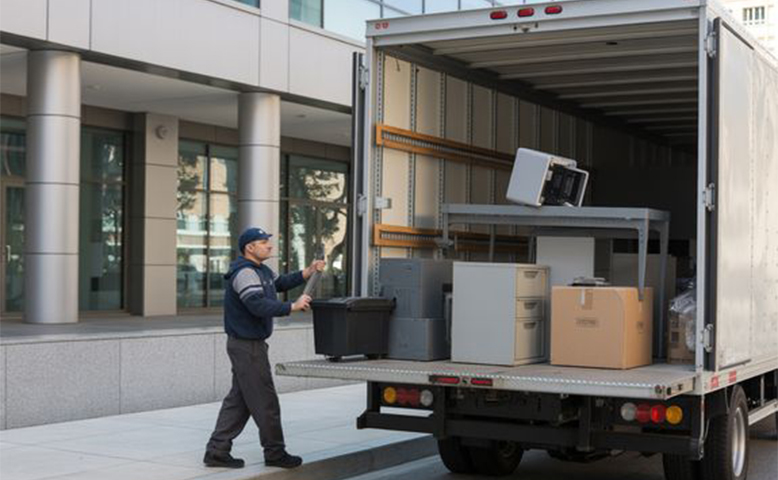
Landfill fees can eat a big part of a project budget. Every load of broken concrete, wood, drywall, and metal costs money to dump. These costs are called “tipping fees.” The fee is usually charged per ton, so the heavier the load, the more you pay. The good news is you can cut these costs by sending less junk to the landfill. Simple steps like sorting debris, choosing the right hauler, and planning waste before work starts make a big difference. In this blog, you will see how smart, eco-friendly construction junk removal can save money and help the planet at the same time.
Why Landfill Fees Keep Eating Your Budget
To lower landfill fees, it helps to know how they work. Most landfills charge a tipping fee based on weight, usually per ton. Your final bill is often:
Total cost = tons of waste × fee per ton
On a busy jobsite, debris adds up fast. Concrete, bricks, and wet materials are heavy. Even a few extra loads can cost hundreds of dollars. There are also extra charges when:
- Your load is mixed and hard to sort
- Hazardous items show up in the dumpster
- Your hauler makes more trips than planned
When everything goes in one big bin, you pay for the “worst” mix. The landfill treats the whole load as if nothing can be reused or recycled. That means you miss out on lower rates for clean metal, wood, or concrete. Over a full project, poor waste planning can slowly push you over budget and cut into your profit.
How Construction Junk Removal Lowers Tipping Costs
Eco-friendly junk removal focuses on sorting and reuse before waste reaches the landfill. A good construction junk removal plan sends different materials to different places. For example, clean concrete can go to a crusher, metal to a scrap yard, and wood to a recycler. Only what truly has no second use goes to the landfill.
Here is what this approach can do for your costs:
- Fewer tons to landfill: Recyclers take a big share of the load.
- Better rates: Some recyclers even pay for certain metals.
- Fewer trips: A hauler who pre-plans routes and load sizes can move more in fewer drives.
Many cities also give credit, tax breaks, or green building points for high “diversion rates.” Diversion rate is the share of jobsite waste that is reused or recycled instead of dumped. The higher your diversion rate, the lower your landfill tonnage and fees. By working with a hauler who understands these options, your junk removal becomes a planned cost saver, not just an afterthought.
Sorting Construction Debris On Site The Smart Way
The easiest time to control waste is right where it is made. A simple sorting system on site can stop you from creating expensive mixed loads. You do not need fancy tools. You mainly need clear labels and trained workers.
Here is a simple layout that many jobs use:
- One bin for clean concrete and brick
- One bin for scrap metal
- One bin for wood and pallets
- One bin for mixed or dirty waste
Teach the crew what goes where. Place signs with big words and simple images. Keep bins close to the work area so workers actually use them. A short talk during the morning safety meeting can remind everyone of the rules.
From a technical side, this sorting step boosts your diversion rate. Clean “single-stream” loads are easier and cheaper to recycle. A hauler can then take the concrete bin straight to a recycler with no extra sorting time. This means lower labor costs for the hauler and better prices for you. Over several weeks, those savings can be larger than people expect.
Recyclable Materials That Should Never Reach Landfills
Many common construction materials do not need to end up in a landfill. Knowing which ones are easy to recycle helps you plan better.
Some key examples are:
- Concrete and brick: Crushed into gravel or base for roads.
- Steel and metal: Melted and turned into new beams, pipes, and tools.
- Cardboard and packaging: Turned back into paper products.
- Clean wood: Used for mulch, fuel, or new boards.
From a simple technical view, these materials have strong “recovery value.” This means there is still useful stuff inside them even after you are done with them. When you send them to the landfill, you pay to throw away value.
Mixed drywall, insulation with mold, and certain treated woods can be harder to recycle. But even here, some regions have special drop-off sites or processors. A good junk removal partner will know local rules, safe handling steps, and best drop-off points. This helps keep harmful dust and chemicals out of the soil and air while also reducing your total landfill tons.
Using Simple Data To Track Jobsite Waste
You do not need a complex system to track waste. A basic log sheet or simple spreadsheet can give you useful data. Ask your hauler to provide a weight ticket for each load. This ticket lists the total tons and sometimes the type of material.
You can track:
- Number of loads per material type
- Tons sent to landfill versus tons sent to recyclers
- Cost per ton for each type of load
A simple key number is your waste diversion rate:
Diversion rate = (recycled tons ÷ total tons) × 100
For example, if your job creates 50 tons of waste and 30 tons are recycled, your diversion rate is 60%. This number is useful when you report to owners, meet green building goals, or plan the next project. Over time, you can see patterns. Maybe one crew always fills the mixed bin too fast. Maybe certain tasks, like demo days, create heavy loads that need more sorting help. Data turns landfill fee control from guesswork into clear action.
Working With Haulers To Keep Costs Low
Picking the right junk removal partner matters as much as your on-site plan. A strong hauler does more than just show up with a truck. They help you plan containers, routes, and drop-off points before work starts. When you talk with a hauler, ask a few key questions:
- Can you handle separate bins for different materials?
- Which local recyclers and transfer stations do you use?
- Will you share weight tickets and cost reports for each load?
- Do you know the city’s rules on waste reporting and recycling goals?
Look for a team that understands both cost and eco-friendly practice. They should be ready to suggest better bin sizes, pickup times, and sorting ideas based on your type of project. This teamwork can cut fuel use, limit idle time, and avoid “emergency” pickups that cost more. When your site team and hauler work from the same simple plan, it is much easier to keep landfill fees under control.
Cut Landfill Fees With Help From Hoard Haulers
Reducing landfill fees is not about one big trick. It comes from small, steady choices: sorting debris, tracking loads, and sending the right materials to the right places. An eco-friendly approach keeps heavy items like concrete, metal, and clean wood out of landfills and moves them into reuse and recycling streams. This saves money and supports cleaner job sites. Hoard Haulers offers construction junk removal and hauling services that support these smart steps. With the right partner and a clear plan, your next project can handle waste in a way that is better for your budget and better for the planet.

